

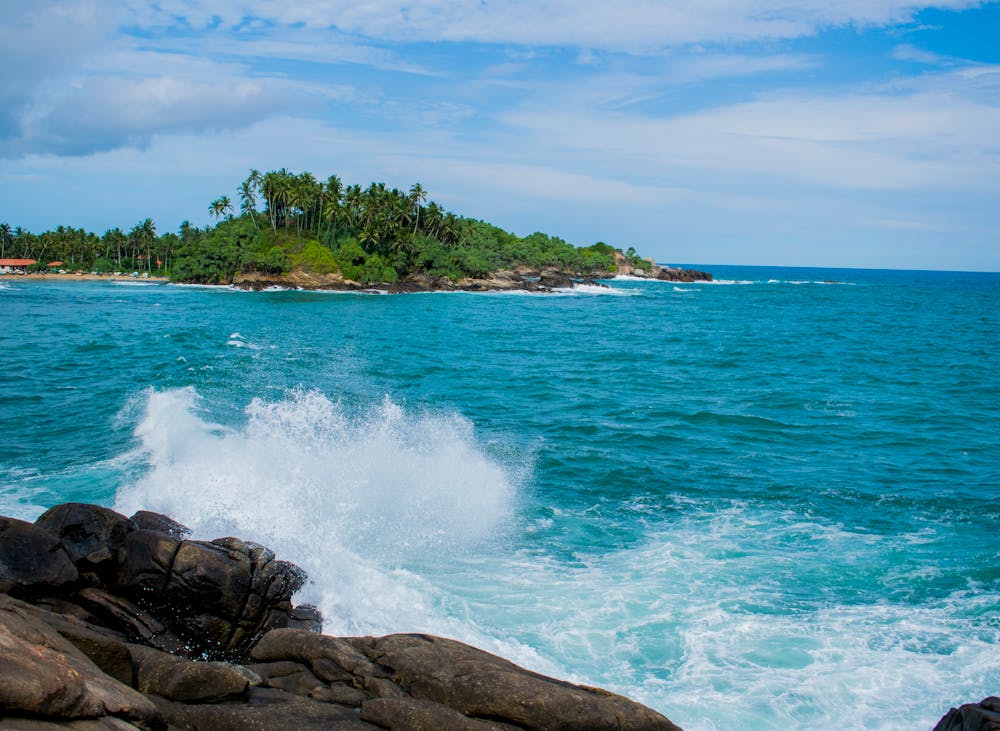

Let us help you plan your trip to Sri Lanka in March.
Sri Lanka, also known as the “pearl of the Indian Ocean,” is a country that seamlessly blends tropical beauty, cultural richness, and diverse landscapes. March is a very delightful month to explore this island nation.
It marks the end of the northeast monsoon, offering mostly dry and sunny weather across much of the island, particularly on the western and southern coasts. As Sri Lanka transitions into its inter-monsoon season, the natural beauty flourishes, cultural festivals unfold, and wildlife is easily spotted in national parks.
What makes March such a fantastic time to visit is the balance it offers—warm but not unbearably hot temperatures, fewer tourist crowds compared to the peak months of December and January, and excellent travel conditions across multiple regions.
Whether you are looking to unwind on pristine beaches, explore UNESCO World Heritage Sites, trek through tea estates, or experience vibrant cultural festivals, March provides the perfect setting. If you need any help regarding a plan to Sri Lanka itinerary, Ceylon Empire Travels is ready to help you. you can visit the official website and check all the details.
This article is a guide that helps you explore various dimensions of this beautiful country. From spiritual to cultural, and even natural sites is what we have included here. No matter what you find interesting, Sri Lanka is one of the places that you will love exploring.
Weather in Sri Lanka During March
Before planning your trip, it is utmost essential to understand what will be the weather like in the nation you want to visit. In March, Sri Lanka has warm and dry weather.
Sri Lanka’s tropical climate is influenced by two monsoon systems, creating distinct wet and dry seasons in different regions. March is a transition month, offering relatively stable weather that favors travel plans across most of the island.
Regional Weather Breakdown
- West and South Coasts (Colombo, Galle, Mirissa, Bentota): These regions enjoy dry and sunny days in March. Average daytime temperatures range from 30°C to 33°C. Nights are warm and pleasant, making it ideal for beach outings, water sports, and sightseeing.
- Hill Country (Kandy, Nuwara Eliya, Ella): The highlands offer cooler temperatures, ranging from 15°C in Nuwara Eliya to around 26°C in Kandy during the day. Nights can be chilly in higher altitudes, so we recommend a light jacket. March is one of the best months to visit the hill country with clear skies and minimal fog.
- East Coast (Trincomalee, Arugam Bay, Batticaloa): The northeast monsoon begins to retreat in March. While early March may see occasional showers, the latter part of the month sees improving weather conditions. It is surely a good time to explore the east coast before the main tourist season begins in May.
- North Central and Cultural Triangle (Sigiriya, Dambulla, Anuradhapura): March offers warm and dry conditions, perfect for exploring ancient ruins and climbing the Sigiriya Rock Fortress without the discomfort of rain or excessive humidity.
Sea Conditions
In March, sea conditions are very calm along the west and south coasts. Swimmers, snorkelers, and divers can enjoy crystal-clear waters and excellent visibility, especially in places like Hikkaduwa and Mirissa.
Sunshine and Rainfall
With an average of 8–10 hours of sunshine per day and low rainfall in most parts of the island, March ensures ideal weather for outdoor activities and photography. Even if showers occur, they are usually brief and localized.
Best 5 Places to Visit in Sri Lanka in March
Sri Lanka is blessed with an array of stunning destinations, each with unique attractions. March allows you to explore the country freely without the hindrance of heavy rain or overcrowded tourist spots. Here are the top five places to visit during this magical month:
Mirissa
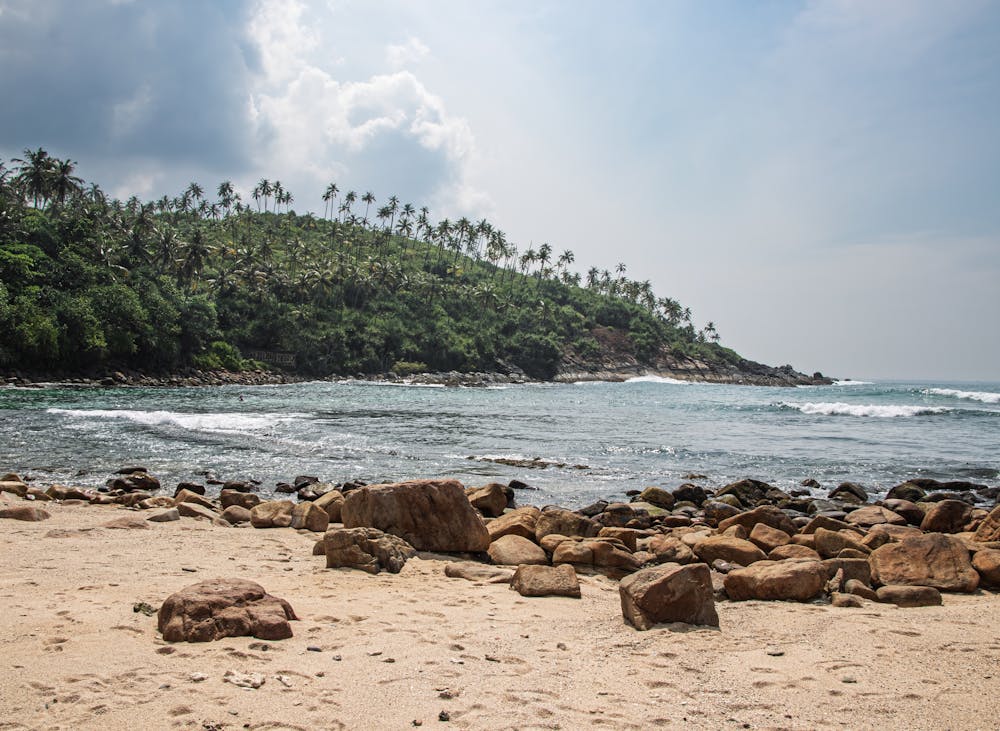
Mirissa is a small coastal town on Sri Lanka’s southern coast, famous for its crescent-shaped beach, laid-back vibe, and vibrant marine life. March is one of the best times for whale watching, particularly blue and sperm whales, as the sea remains calm and clear. Thus, if you are here for some amazing and calming beach experience, there can be nothing better more than Mirissa.
Highlights:
- Whale and dolphin watching tours
- Surfing and paddleboarding
- Beachfront cafes and seafood restaurants
- Parrot Rock viewpoint for sunset views
Travel Tip: Book your whale-watching tour early in the morning for the calmest waters and best sightings.
Kandy
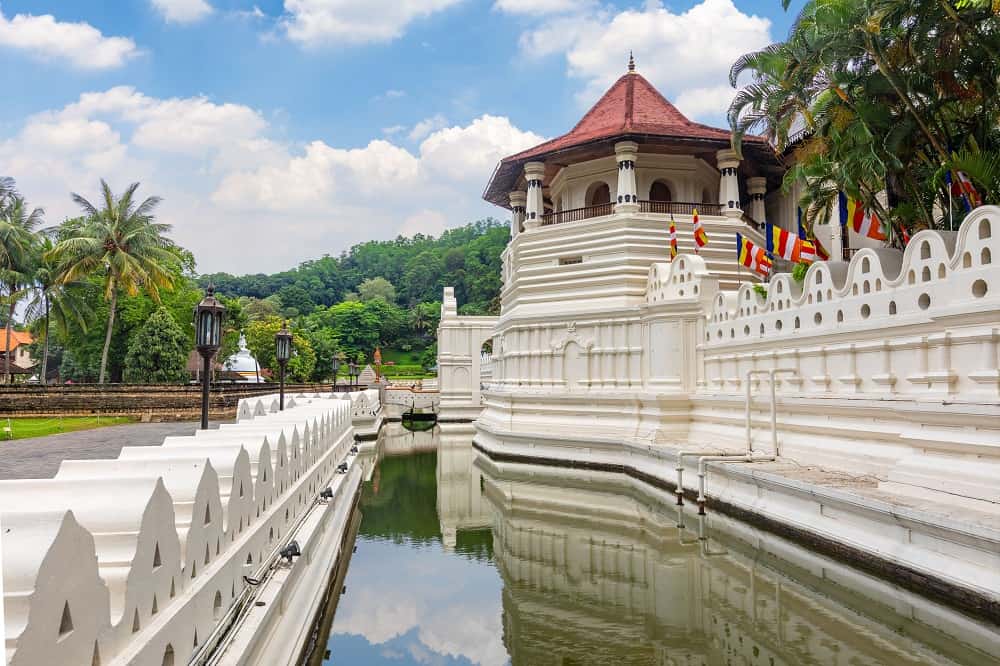
The cultural capital of Sri Lanka, Kandy is nestled in the hills and surrounded by lush greenery. It is home to the Temple of the Sacred Tooth Relic, one of the most sacred Buddhist sites in the world. March offers perfect weather to explore Kandy without the mist and rain that can cloud the view in other months. At Kandy, you get experience the cultural and spiritual side of Ceylon, the modern-day Sri Lanka.
Highlights:
- Temple of the Tooth
- Royal Botanic Gardens in Peradeniya
- Kandy Lake and cultural dance performances
- Udawattakele Forest Reserve
Travel Tip: Spend a peaceful afternoon walking around Kandy Lake and enjoy the serene ambiance.
Nuwara Eliya
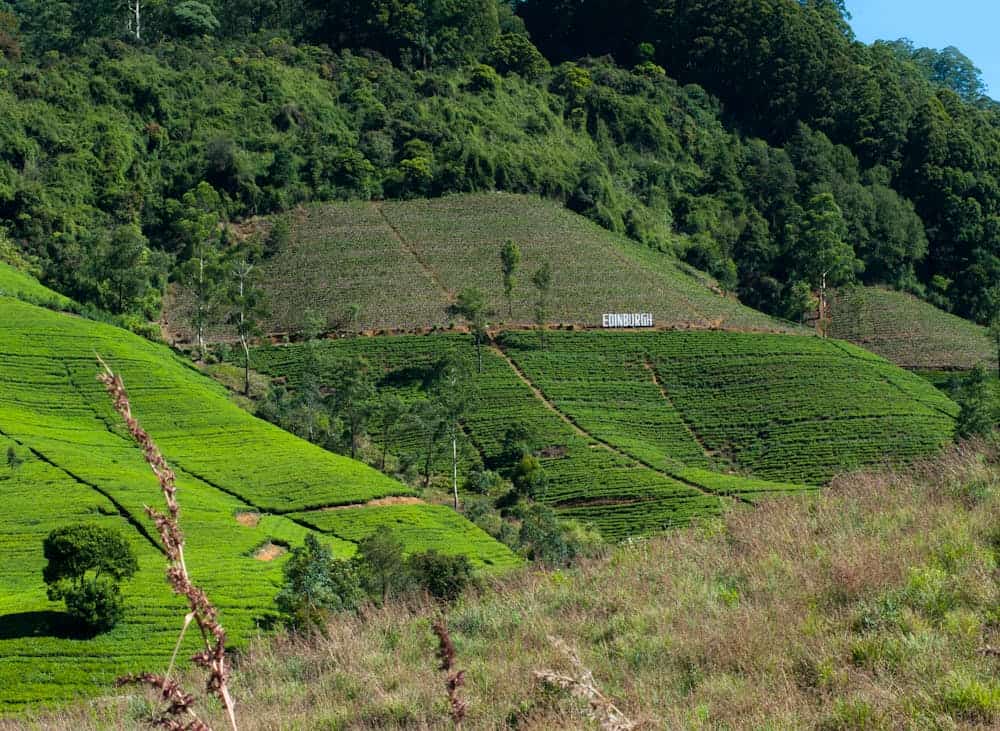
Often referred to as “Little England,” Nuwara Eliya sits at an altitude of 1,868 meters and offers a cool, misty climate. March is one of the driest months in this region, making it ideal for tea plantation visits and nature walks. Want to witness nature in its truest form? Welcome to Nuwara Eliya. You will definitely love spending time here in the cool climate and between the tea plantations.
Highlights:
- Tea estate tours and tastings
- Horton Plains National Park and World’s End
- Gregory Lake and Victoria Park
- Golfing at Nuwara Eliya Golf Club
Travel Tip: Take the scenic train ride from Kandy to Nuwara Eliya (via Nanu Oya) for one of the world’s most beautiful rail journeys.
Sigiriya & Dambulla
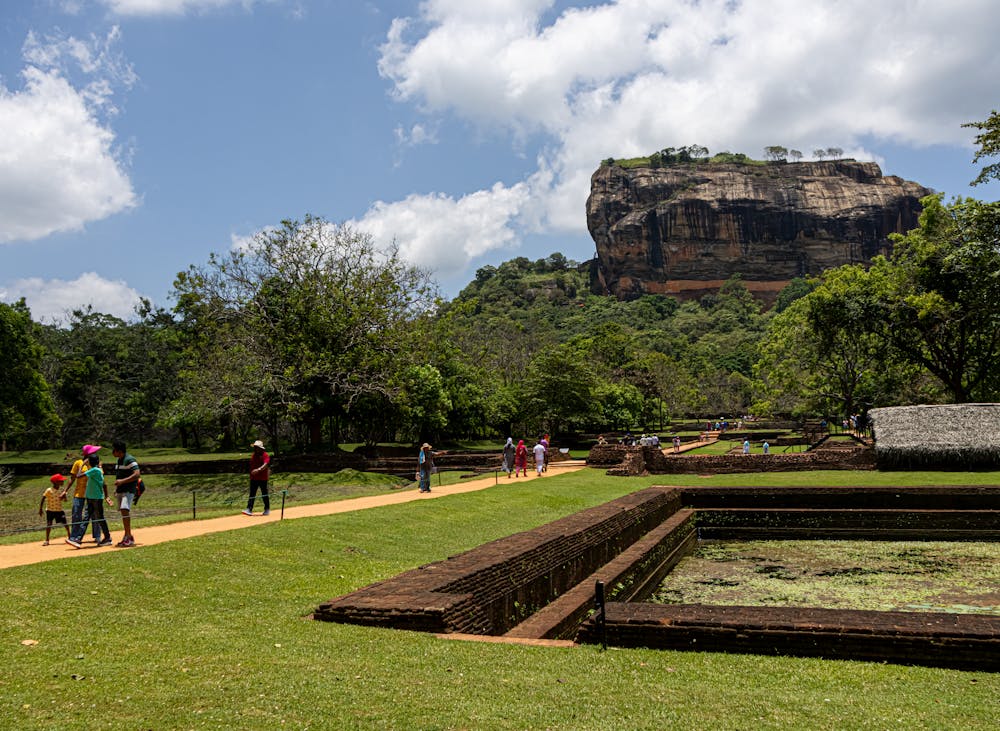
The heart of Sri Lanka’s Cultural Triangle, Sigiriya and Dambulla are must-visits for history and archaeology lovers. March’s dry conditions make climbing Sigiriya Rock Fortress more manageable. Get ready to hike up to see the best views in Sri Lanka.
Highlights:
- Sigiriya Rock Fortress with its frescoes and lion’s paws
- Dambulla Cave Temple with centuries-old murals and statues
- Minneriya National Park (elephant safaris)
- Ancient ruins of Polonnaruwa (nearby)
Travel Tip: Start your Sigiriya climb early in the morning to avoid the heat and get panoramic sunrise views.
Sigiriya Visiting Hours- 9 am to 10 pm
Yala National Park
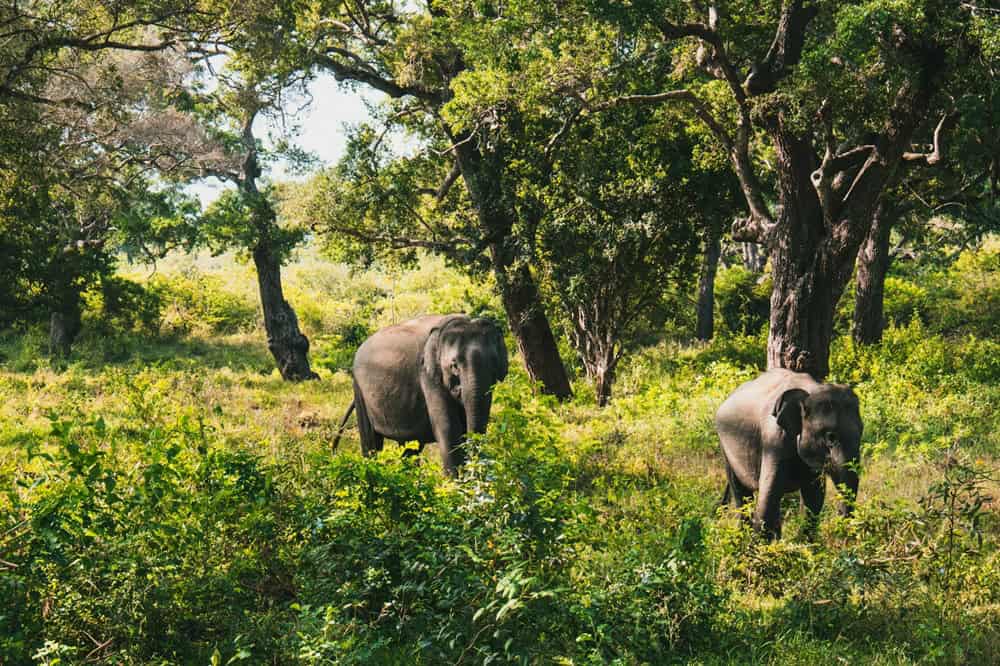
Yala is Sri Lanka’s most famous national park, offering one of the highest densities of leopards in the world. March falls within the dry season here, meaning animals gather around waterholes, making them easier to spot.
Highlights:
- Jeep safaris to see leopards, elephants, crocodiles, and sloth bears
- Birdwatching opportunities
- Scenic coastal lagoons and mangrove forests
Travel Tip:Opt for a morning safari for the best wildlife sightings and avoid the afternoon heat.
Visiting Hours- 6 am to 6 pm
Festivals & Events in March
March is a culturally significant month in Sri Lanka with a mix of Hindu and Buddhist celebrations. These events offer visitors a deeper understanding of the island’s spiritual and communal life.
Maha Shivaratri
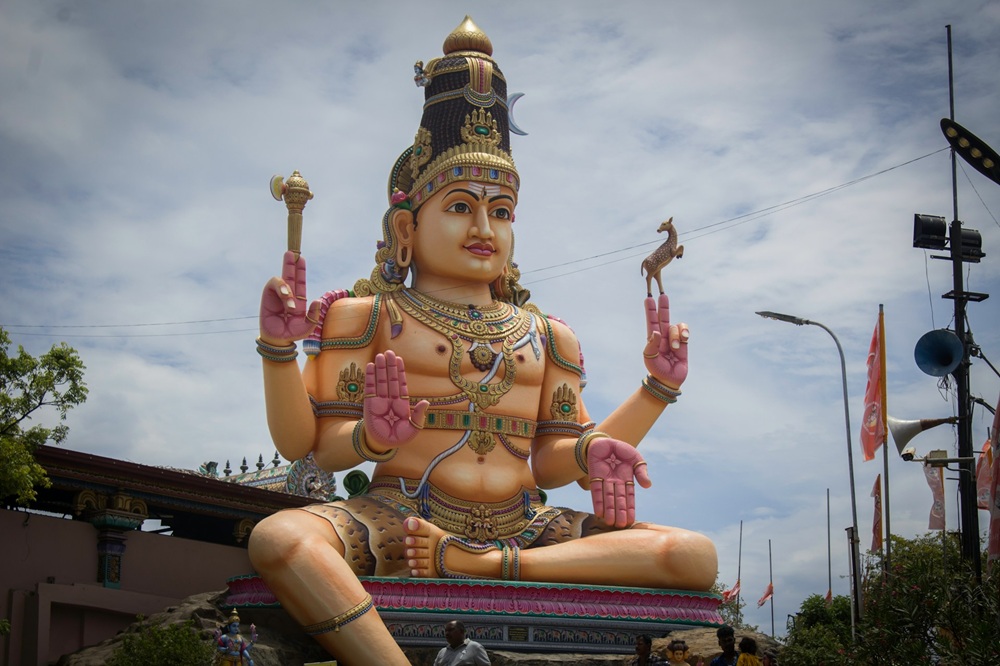
Maha Shivaratri, dedicated to Lord Shiva, is one of the most important Hindu festivals in Sri Lanka. Celebrated in either late February or early March (depending on the lunar calendar), devotees observe fasting and night-long vigils at temples.
Where to Experience:
- Koneswaram Temple in Trincomalee
- Munneswaram Temple in Chilaw
- Hindu temples in Colombo and Jaffna
Medin Poya
Medin Poya falls on the full moon day of March and commemorates the Buddha’s first visit to his father after enlightenment. It’s a day of reflection, meditation, and temple visits for Buddhists across the country.
Traditions Include:
- Visiting temples to offer flowers and prayers
- Dhamma sermons and meditation sessions
- Acts of charity and vegetarian meals
Travel Note: Alcohol sales are banned on Poya days. Shops and restaurants may close early.
What to Pack for Sri Lanka in March
Packing for Sri Lanka in March requires a balance between tropical wear and light layers for the cooler hill regions. Here’s a comprehensive list to ensure you are well-prepared:
Clothing
- Lightweight, breathable cotton clothes
- Swimwear and quick-dry towels
- Light jacket or hoodie for hill country evenings
- Long skirts or trousers and tops with sleeves for temple visits
- Comfortable walking shoes and flip-flops
Accessories
- Sun hat or cap
- Sunglasses with UV protection
- High-SPF sunscreen
- Mosquito repellent
- Reusable water bottle with filter
Health & Safety Items
- Personal medications and a basic first-aid kit
- Hand sanitizer and tissues
- Travel insurance documents
- Photocopies of important documents
Tech & Gear
- Camera or smartphone with extra storage
- Universal travel adapter (Sri Lanka uses types D, M, and G)
- Power bank
- Waterproof phone pouch
Travel Tips for Visiting Sri Lanka in March
To make your trip smooth and memorable, keep these tips in mind:
Plan and Book Ahead
March is part of the tourist season. Popular destinations, trains, and safaris can get booked out quickly. Reserve accommodations, transportation, and tours in advance.
Use Local Transport Wisely
- Trains: Scenic and affordable, but often crowded. Book first or second-class seats, especially on popular routes like Kandy–Ella.
- Tuk-tuks: Great for short trips. Agree on a price beforehand or use apps like PickMe or Uber.
- Buses: Cheap and frequent, but not always comfortable.
Respect Local Customs
- Dress modestly when visiting religious sites.
- Remove shoes and hats before entering temples.
- Never take selfies with your back turned to Buddha statues.
Food & Water
- Enjoy local dishes like rice and curry, kottu, and string hoppers.
- Always drink bottled or filtered water.
- Try fresh fruit juices and coconut water from roadside vendors.
Money Matters
- Currency: Sri Lankan Rupee (LKR)
- Cash is essential in small towns; credit cards are accepted in most urban and touristy areas.
- ATMs are widely available in cities and towns.
Connectivity
- Local SIM cards with data are affordable and offer good coverage.
- Dialog and Mobitel are popular providers.
Whether you want to enjoy the beaches or explore historical sites, this guide to Sri Lanka in March helps you plan your trip. Sri Lanka in March is a traveler’s dream. With golden beaches, emerald tea plantations, ancient cities, and vibrant cultural celebrations, the island offers something for every kind of explorer.
The weather is nearly perfect, the landscapes are lush and inviting, and the local hospitality is as warm as the tropical sun. From watching whales in Mirissa to climbing the majestic Sigiriya Rock, from exploring the temples of Kandy to sipping tea in Nuwara Eliya, your journey through Sri Lanka in March will be filled with unforgettable moments.
So, pack your bags, prepare your senses, and get ready to experience one of Asia’s most captivating destinations in its prime. If you want to rely on a travel agent that can make exploring Sri Lanka easy for you, then checkout Ceylon Empire Travels the best travel agency in Sri Lanka.
FAQ
Is March a good time to visit Sri Lanka?
Absolutely. March is one of the best months to explore Sri Lanka thanks to dry and sunny weather in the west, south, and central regions. It is perfect for beach holidays, cultural tours, and wildlife safaris. For perfect day to day planning, contact Ceylon Empire Travels.
Does it rain in Sri Lanka in March?
Rain in minimum in Sri Lanka in March. Some light showers may occur in the north and east, especially early in the month, but overall, the weather is dry and stable.
What are the best beaches to visit in March?
Best beaches to visit in March in Sri Lanka are-
Mirissa – for whale watching and beach parties
Hikkaduwa – for coral reefs and snorkeling
Unawatuna – calm waters and golden sands
Bentota – luxury resorts and water sports
Are there any festivals in Sri Lanka in March?
Yes, Medin Poya (Buddhist full moon day) and Maha Shivaratri (Hindu festival) are key cultural events. They offer insights into local spirituality and are best experienced at temples across the island.

Editorial Staff at Ceylon Empire Travels are Specialist in Sri Lanka Travel.


