

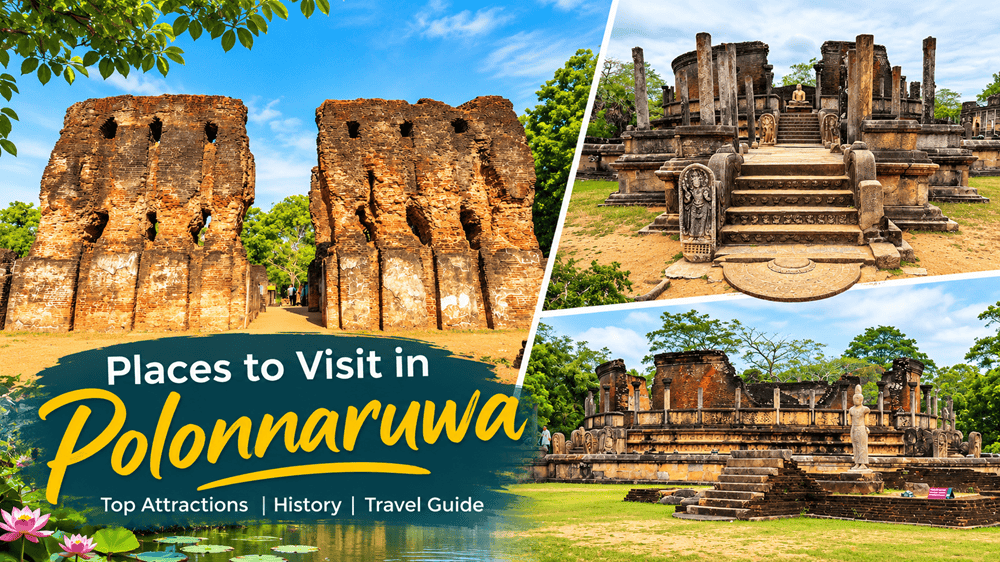

Polonnaruwa is one of Sri Lanka’s most fascinating historical destinations, known for its ancient temples, royal palaces, Buddhist monuments and remarkable stone sculptures. Once the island’s second capital, this historic city preserves the remains of a kingdom that flourished during the medieval period.
From the magnificent Buddha sculptures at Gal Vihara to the beautifully carved Polonnaruwa Vatadage and the historic Royal Palace of King Parakramabahu I, there are many remarkable places to explore.
The best places to visit in Polonnaruwa include Gal Vihara, the Sacred Quadrangle, Vatadage, Hatadage, Royal Palace, Rankoth Vehera, Kiri Vehera and Lankatilaka Image House. Beyond the archaeological city, visitors can also explore Parakrama Samudra, Medirigiriya Vatadage and nearby wildlife destinations such as Minneriya and Kaudulla National Parks.
For most visitors, one full day is a practical amount of time to explore the major historical attractions. Travelers interested in wildlife, photography and additional cultural sites may prefer to spend two days in the region.
Whether you are visiting Sri Lanka for its history, architecture, religious heritage or natural attractions, Polonnaruwa is a destination worth including in your itinerary.
Why Visit Polonnaruwa, Sri Lanka?
Polonnaruwa is a UNESCO World Heritage Site and one of the most important archaeological destinations in Sri Lanka.
It became the island’s second capital after the destruction of Anuradhapura in 993. The city reached considerable prominence under King Vijayabahu I and later flourished under King Parakramabahu I during the 12th century.
The ancient capital contains the remains of royal buildings, Buddhist monasteries, Hindu temples, stupas and impressive irrigation systems.
One of the most interesting aspects of Polonnaruwa is its architectural diversity. Visitors can explore Buddhist image houses, circular relic shrines, enormous brick structures and Hindu temples influenced by South Indian architectural traditions.
The archaeological area also provides an opportunity to understand the engineering achievements of ancient Sri Lanka, particularly through its reservoirs and irrigation systems.
15 Best Places to Visit in Polonnaruwa
1. Royal Palace of King Parakramabahu
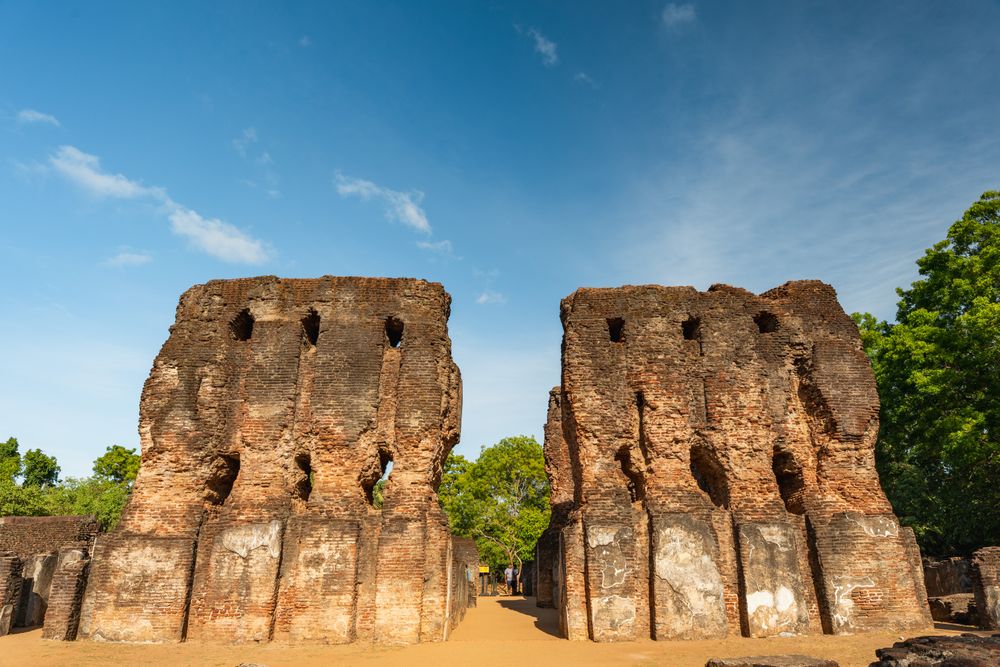
The Royal Palace of King Parakramabahu I is one of the most impressive historical structures in Polonnaruwa.
Built during the 12th century, the palace was part of an extensive royal complex that served as an important political and administrative centre.
The surviving structure is particularly notable for its enormous brick walls. According to historical accounts, the palace originally had seven storeys and approximately 1,000 rooms. Today, its remains have been preserved up to around two storeys.
As you explore the palace, look for the thick brick walls, surviving architectural sections and the layout of the former royal building.
The scale of the remains gives visitors an idea of the ambition and engineering skills of the ancient kingdom.
Why visit: The Royal Palace offers an opportunity to understand the power and architectural achievements of the Polonnaruwa kings.
2. Audience Hall of King Parakramabahu
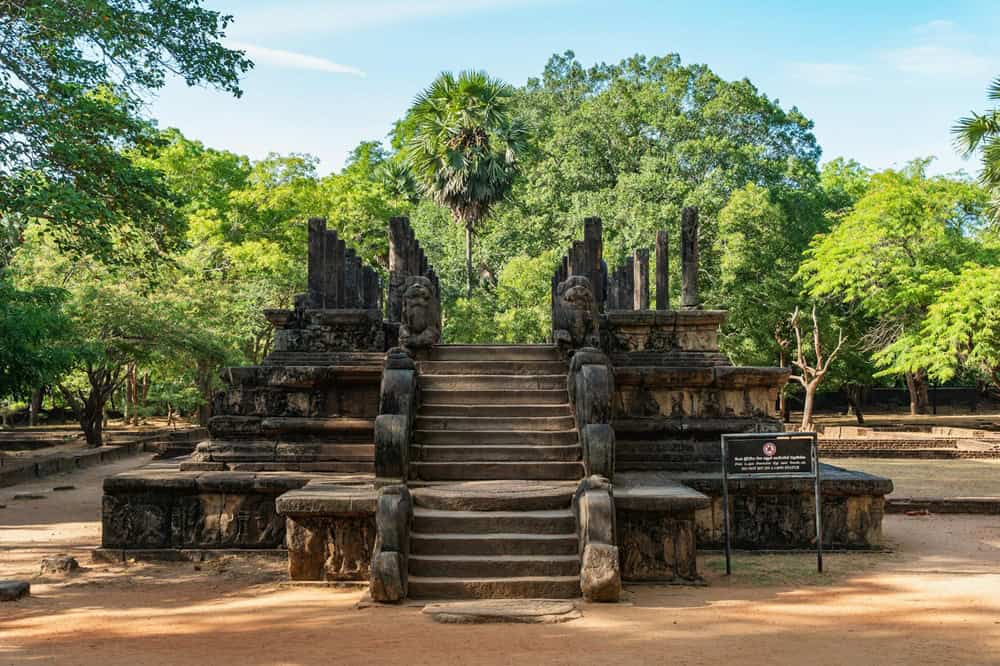
Located near the Royal Palace, the Audience Hall is an important example of ancient Sri Lankan stone architecture.
It is associated with the royal administration of King Parakramabahu I and is believed to have been used for official gatherings and meetings.
The most distinctive features are its rows of stone pillars and decorative elephant carvings along the structure.
Look closely at the stonework and the arrangement of the pillars to appreciate how the ancient royal court may have been organized.
Why visit: The Audience Hall provides a closer look at the administrative and ceremonial architecture of the Polonnaruwa Kingdom.
3. Polonnaruwa Vatadage
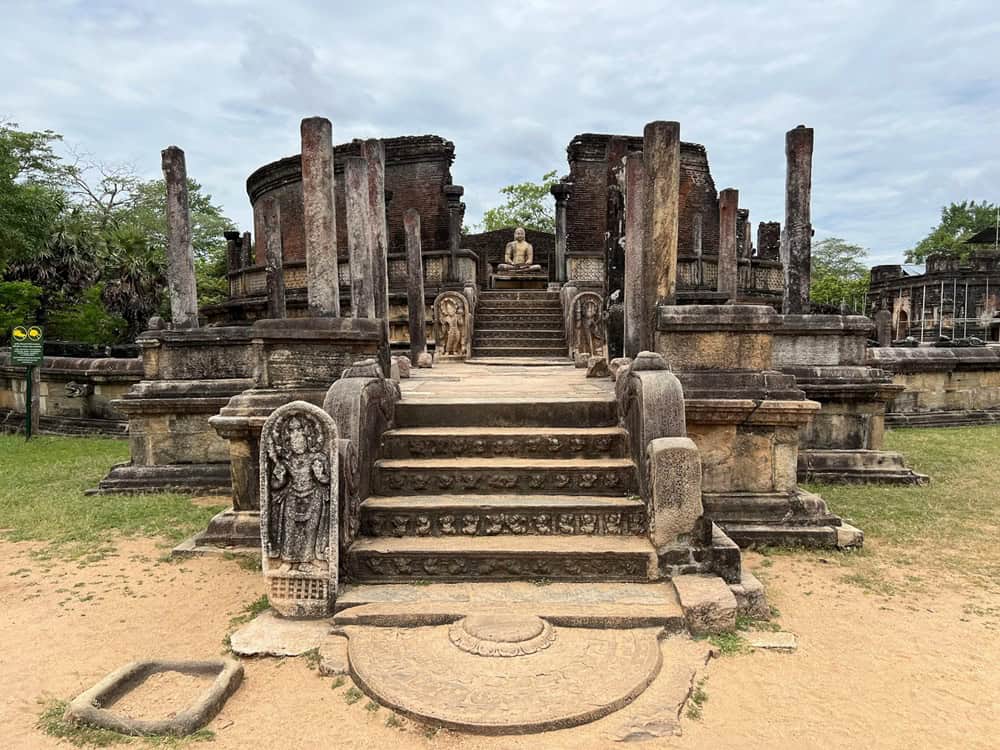
The Polonnaruwa Vatadage is one of the most architecturally distinctive monuments in the ancient city.
Located within the Sacred Quadrangle, this circular relic house stands on a raised stone platform and features beautifully carved entrances, moonstones, guardstones and stone pillars.
Four seated Buddha statues face the four cardinal directions at the centre of the structure.
The Vatadage is particularly notable for its circular design and detailed stone craftsmanship.
Its exact construction history and royal patronage remain subjects of historical discussion, with King Parakramabahu I and King Nissanka Malla both associated with its history.
What to look for:
- Four seated Buddha statues.
- Circular stone platform.
- Decorative moonstones and guardstones.
- Carved stone stairways.
- Architectural details around the entrance.
Why visit: The Vatadage is one of the finest examples of the stone architecture and Buddhist religious traditions of medieval Sri Lanka.
4. Hatadage
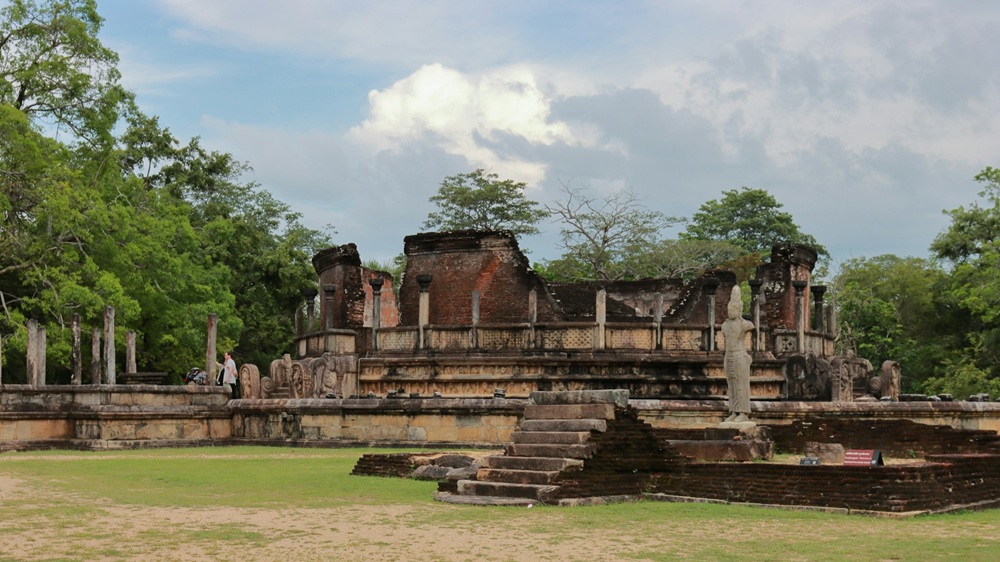
Hatadage is another important monument within the Sacred Quadrangle.
It was built by King Nissanka Malla and is traditionally associated with the protection of the Sacred Tooth Relic of the Buddha.
The structure features thick stone walls and a compact interior containing the remains of Buddha images.
Its historical significance makes it an important part of the ancient city’s religious landscape.
Visitors exploring the Sacred Quadrangle should include Hatadage alongside the Vatadage and Nissanka Latha Mandapaya.
Why visit: Hatadage provides insight into the importance of Buddhist relic worship and royal patronage during the Polonnaruwa period.
5. Nissanka Latha Mandapaya
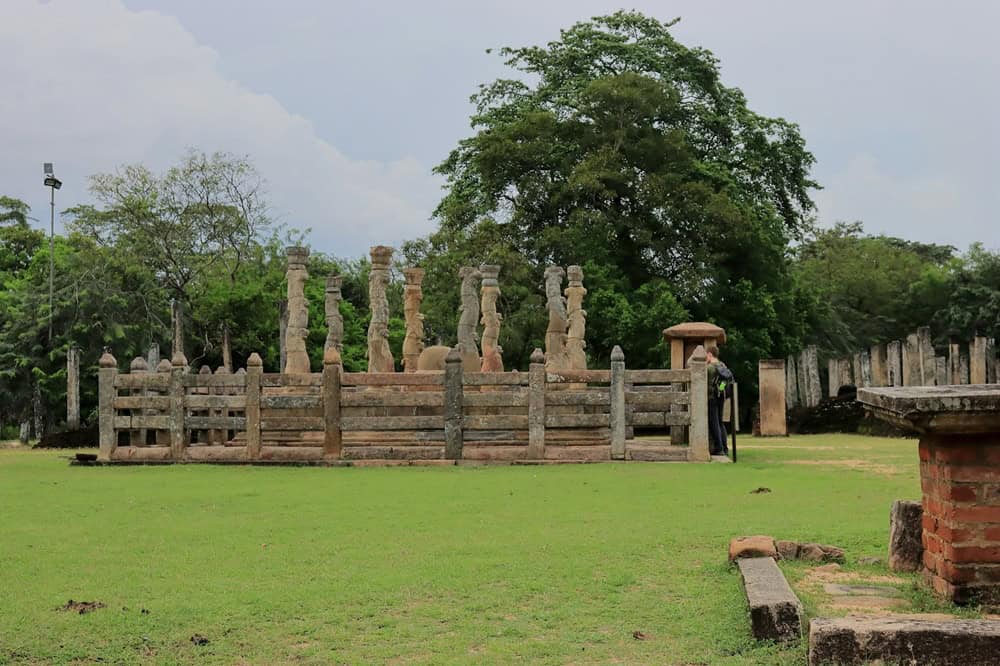
Nissanka Latha Mandapaya is a distinctive stone pavilion within the Sacred Quadrangle.
Associated with King Nissanka Malla, the structure is famous for its unusual stone pillars, which resemble curved lotus stems rather than conventional straight columns.
The pillars feature decorative capitals shaped like lotus buds, giving the pavilion its distinctive appearance.
Its design demonstrates the creativity of ancient Sri Lankan craftsmen.
Why visit: Nissanka Latha Mandapaya is particularly interesting for visitors who enjoy historical architecture, stone carvings and unusual architectural designs.
6. Gal Pota (Stone Book)
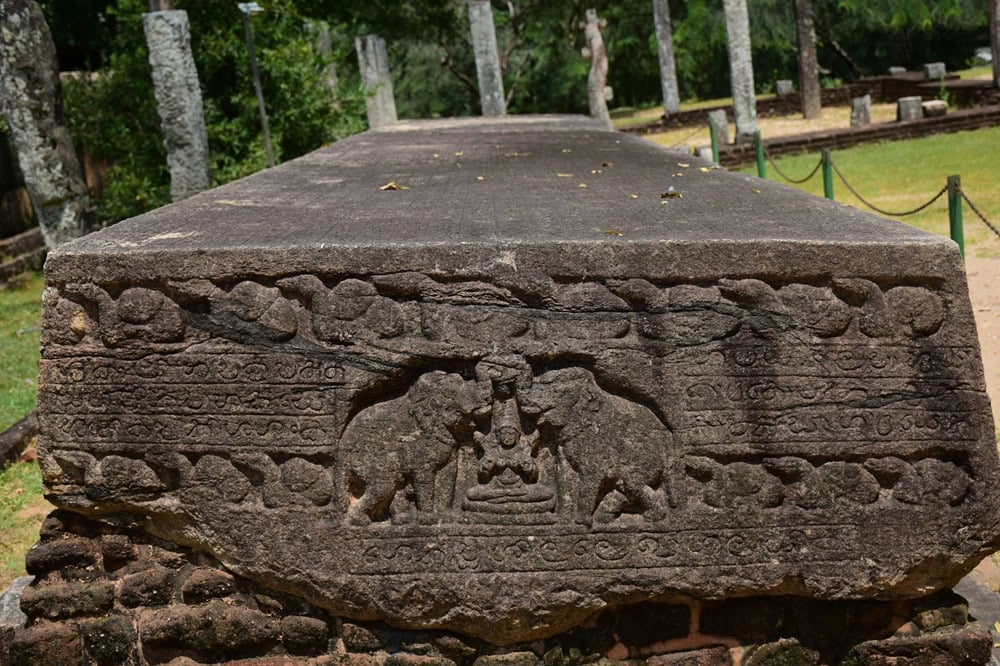
Gal Pota, meaning Stone Book, is a remarkable historical inscription located within the Sacred Quadrangle.
The monument is a large stone slab containing inscriptions associated with King Nissanka Malla.
The inscription records information about the king and his achievements, offering an insight into the political and religious environment of the Polonnaruwa period.
Its impressive size and detailed writing make it one of the most interesting historical objects in the ancient city.
Why visit: Gal Pota allows visitors to explore the written historical record of the Polonnaruwa Kingdom rather than only its architectural remains.
7. Sathmahal Prasada
Sathmahal Prasada is a distinctive stepped pyramidal structure located within the Sacred Quadrangle.
Its unusual design makes it different from the more familiar stupas and image houses found throughout Polonnaruwa.
The building consists of several diminishing levels, creating a pyramid-like appearance.
Its original purpose and architectural influences are not completely established, which makes it an interesting subject for historical interpretation.
Why visit: Sathmahal Prasada is worth seeing for its unusual architectural design and the diversity of structures within the Sacred Quadrangle.
8. Gal Vihara (Gal Viharaya)
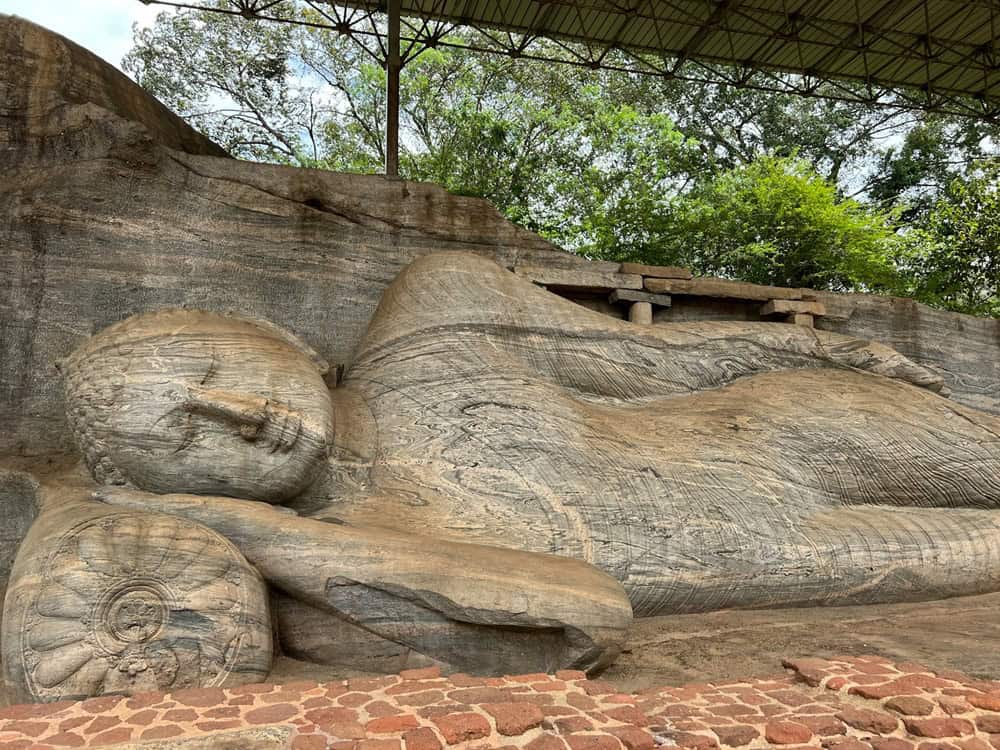
Gal Vihara is one of the most famous historical attractions in Polonnaruwa and a highlight of cultural tours in Sri Lanka.
Located within the Alahana Pirivena monastic complex, Gal Vihara is renowned for its four Buddha figures carved into a large granite rock formation during the reign of King Parakramabahu I.
The sculptures represent different postures of the Buddha and demonstrate the exceptional artistic skills of ancient Sri Lankan craftsmen.
The four figures include:
- Seated Buddha: A large seated figure in a meditative posture.
- Standing Buddha: A distinctive standing figure with crossed arms.
- Reclining Buddha: A magnificent sculpture representing the Buddha’s Parinirvana.
- Smaller seated Buddha: A seated image within a rock-cut setting.
The sculptures are notable for their proportions, expressions and detailed finishing.
Unlike many traditional temples, the figures are carved directly into the natural granite rock, creating a remarkable connection between the sculptures and their surroundings.
Travel tip: Follow the site’s religious customs, remove footwear where required and observe the photography restrictions. Avoid photographs that disrespect the Buddha images.
Why visit: Gal Vihara is one of the finest examples of ancient Sri Lankan Buddhist sculpture and should be a priority during your visit.
9. Lankatilaka Image House
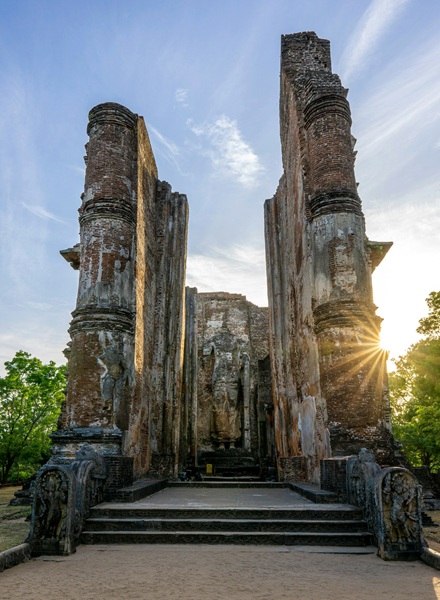
Lankatilaka Image House is one of the most impressive religious buildings in Polonnaruwa.
Built during the reign of King Parakramabahu I, this monumental brick structure features enormous walls surrounding a standing Buddha image.
Although the roof and some architectural features have disappeared, the surviving walls still demonstrate the enormous scale of the original building.
Visitors can walk through the structure and observe the standing Buddha figure at the rear.
The building’s height, narrow interior and impressive brick construction make it a remarkable example of medieval Sri Lankan architecture.
Why visit: Lankatilaka provides an opportunity to understand the design of ancient Buddhist image houses and the architectural skills of the Polonnaruwa period.
10. Thuparama Image House
Thuparama Gedige is one of the important brick-built religious structures within the ancient city.
Unlike an open-air stupa, this building is an enclosed image house featuring thick brick walls and a distinctive vaulted architectural design.
Its surviving structure demonstrates the popularity of brick construction during the Polonnaruwa period.
The interior once housed a Buddha image, and visitors can observe the architectural features of the building.
Why visit: Thuparama is particularly interesting for visitors who want to explore the diversity of ancient Buddhist architecture.
11. Rankoth Vehera
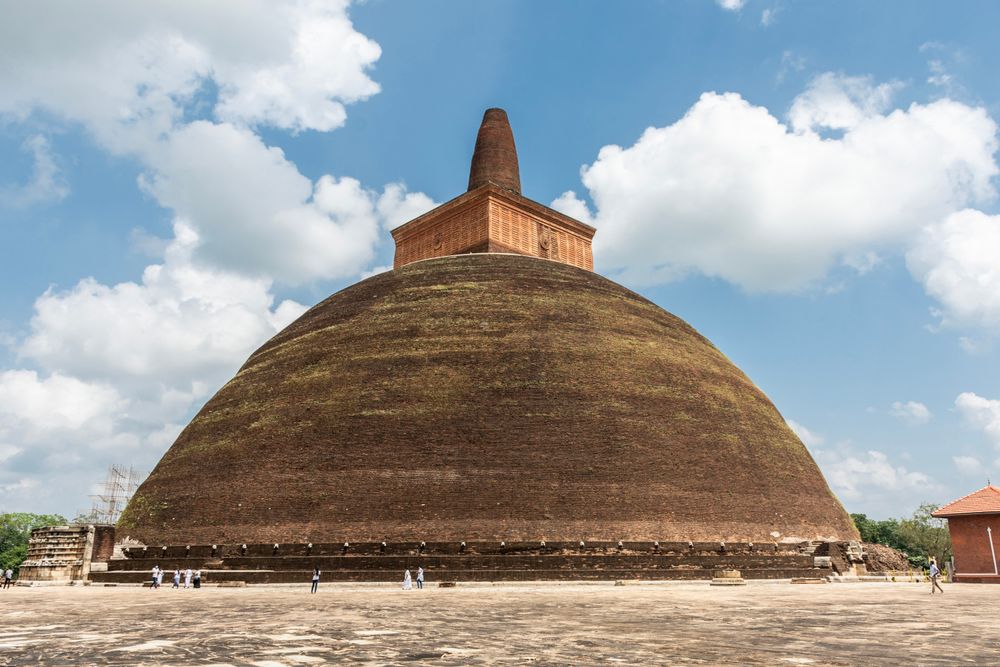
Rankoth Vehera is one of the largest and most impressive stupas in Polonnaruwa.
Associated with King Nissanka Malla, the monument is an important example of the large-scale Buddhist architecture developed during the Polonnaruwa period.
Its enormous dome and surrounding structures make it a prominent landmark within the archaeological city.
Visitors can walk around the stupa and appreciate its scale and traditional architectural design.
Why visit: Rankoth Vehera is a must-see for visitors interested in ancient Buddhist architecture and religious heritage.
12. Kiri Vehera
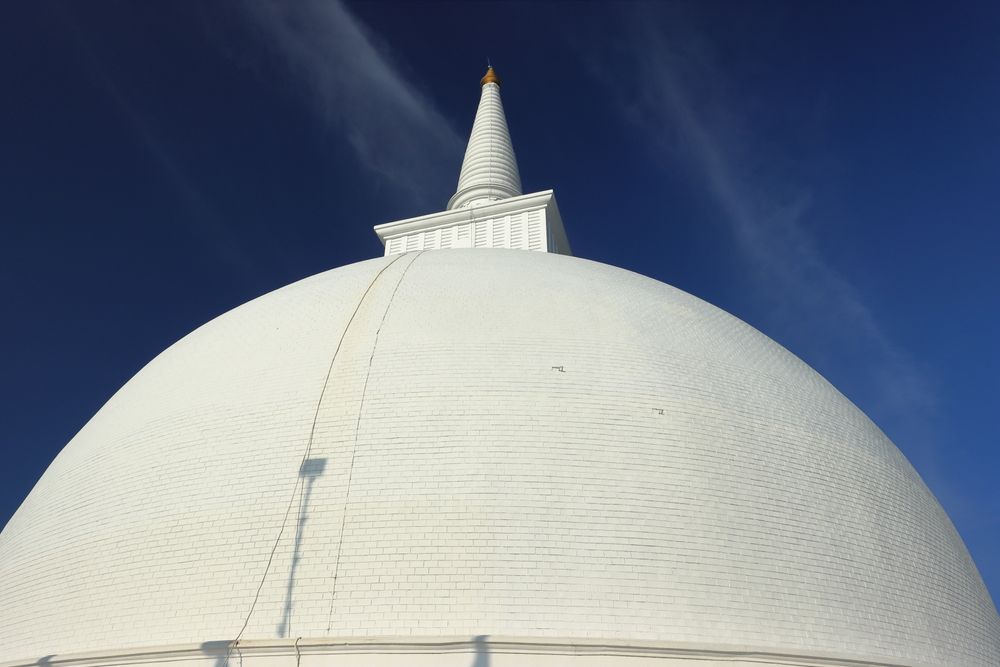
Kiri Vehera is another important Buddhist stupa within the Alahana Pirivena monastic complex.
Its white appearance distinguishes it from several other monuments in the archaeological area.
The stupa is an important part of the religious landscape of ancient Polonnaruwa and remains a place of Buddhist worship.
Visitors can explore the surrounding area and observe the traditional design of the monument.
Why visit: Kiri Vehera offers another perspective on the Buddhist traditions and religious architecture of the ancient capital.
13. Lotus Pond (Nelum Pokuna)
The Lotus Pond, locally known as Nelum Pokuna, is one of the most unusual architectural features in Polonnaruwa.
Its design resembles a blooming lotus flower, with several concentric stone levels arranged like lotus petals.
The pond is among the water features associated with the ancient royal and monastic landscape.
Its unusual shape and detailed stone construction make it an interesting attraction for visitors exploring the archaeological area.
Why visit: The Lotus Pond demonstrates the creativity and craftsmanship of ancient Sri Lankan builders.
14. Pothgul Viharaya and the Famous Stone Statue
Pothgul Viharaya is an important archaeological site situated outside the main concentration of the central monuments.
The complex is believed to have served as a Buddhist monastic centre and may have been associated with the preservation or study of religious manuscripts.
The site is also known for a famous stone statue depicting a bearded figure holding an object resembling a manuscript.
The statue is traditionally identified as King Parakramabahu I in some accounts, although its identity remains disputed. The Central Cultural Fund also notes interpretations identifying the figure as a king or sage.
Why visit: Pothgul Viharaya provides a quieter archaeological experience and an opportunity to explore another aspect of the history of Polonnaruwa.
15. Shiva Devale No. 2
Shiva Devale No. 2 is an important Hindu religious monument within the ancient city.
The temple reflects South Indian architectural traditions and demonstrates the influence of Hindu religious and cultural practices during the Polonnaruwa period.
Unlike the large brick Buddhist image houses, this structure was built primarily using stone.
Its presence is a reminder that Polonnaruwa’s history includes different religious traditions and cultural influences.
Why visit: Shiva Devale No. 2 offers a valuable perspective on the Hindu heritage of ancient Polonnaruwa.
Other Places to Visit Near Polonnaruwa
If you have additional time, explore the wider region beyond the main archaeological attractions.
These destinations require separate journeys and should not all be treated as part of a short ancient-city sightseeing route.
Medirigiriya Vatadage
Medirigiriya Vatadage is one of the most distinctive historical attractions in the wider Polonnaruwa District.
Located in Medirigiriya, this ancient circular shrine is surrounded by stone pillars and impressive architectural features.
The structure is famous for its circular design, Buddha statues and distinctive archaeological setting.
It is particularly interesting for visitors who want to explore ancient Buddhist architecture beyond the main Polonnaruwa archaeological complex.
Minneriya National Park

Minneriya National Park is one of Sri Lanka’s popular wildlife destinations.
The park is particularly famous for its wild elephants and the seasonal elephant gatherings associated with the Minneriya reservoir.
Visitors can explore the park through guided jeep safaris.
Depending on seasonal water levels and elephant movements, visitors may have opportunities to observe elephants, deer, monkeys and various bird species.
Safari conditions and wildlife sightings change throughout the year. Ask a reputable local operator about current wildlife movements before choosing a park.
Kaudulla National Park
Kaudulla National Park is another popular wildlife destination in the wider region.
It offers opportunities to observe elephants and other wildlife in their natural environment.
Elephant movements between Kaudulla, Minneriya and nearby forest areas vary according to seasonal conditions.
If you are planning a safari, choose the park based on recent wildlife information rather than assuming that one park always offers better sightings.
Somawathiya Chaitya
Somawathiya Chaitya is an important Buddhist pilgrimage destination in the wider Polonnaruwa region.
The stupa is traditionally associated with the enshrinement of a sacred relic of the Buddha.
Its religious importance and peaceful surroundings make it an interesting destination for visitors exploring Sri Lanka’s Buddhist heritage.
The journey requires separate transport and additional planning.
Dimbulagala Raja Maha Viharaya
Dimbulagala is a historical Buddhist site situated within a scenic rocky landscape.
The area has a long association with Buddhist monastic traditions and offers a combination of religious heritage and natural scenery.
Visitors can explore the temple environment and enjoy the surrounding countryside.
It is a worthwhile addition for travelers interested in destinations beyond the main archaeological circuit.
Other Things to Do in Polonnaruwa
Apart from visiting historical monuments, there are several experiences that can make your trip more enjoyable.
Explore the Ancient City by Bicycle
Cycling is one of the most popular ways to explore Polonnaruwa.
The main attractions are spread across a considerable area, and a bicycle provides flexibility when travelling between different monument groups.
You can enquire about bicycle rentals from local providers near the town and archaeological area.
Before starting, check the brakes, tyres and overall condition of the bicycle.
Carry drinking water, wear comfortable clothing and avoid cycling during the hottest part of the day.
Discover Ancient Buddhist and Hindu Architecture
Polonnaruwa contains an impressive collection of religious buildings representing different cultural traditions.
Exploring Buddhist stupas, image houses, monasteries and Hindu temples provides a broader understanding of the religious and architectural history of the ancient kingdom.
Enjoy the Views of Parakrama Samudra
Parakrama Samudra is one of the most important historical features of the Polonnaruwa region.
Associated with King Parakramabahu I, this extensive irrigation reservoir played an important role in supporting agriculture during the ancient kingdom.
It remains part of the region’s irrigation landscape.
Visitors can enjoy the surrounding scenery, take photographs and learn about the engineering achievements of ancient Sri Lanka.
Early morning and late afternoon are generally pleasant times to enjoy the landscape.
One-Day Polonnaruwa Sightseeing Itinerary
If you have only one day in Polonnaruwa, a well-organized route will help you explore the major archaeological attractions.
Here is a suggested sightseeing sequence.
| Visit order | Attraction | Suggested activity |
|---|---|---|
| 1 | Archaeological Museum | Understand the history before exploring the ruins |
| 2 | Royal Palace | Explore the ancient royal complex |
| 3 | Audience Hall | Observe the stone pillars and carvings |
| 4 | Sacred Quadrangle | Visit Vatadage, Hatadage, Gal Pota and Nissanka Latha Mandapaya |
| 5 | Sathmahal Prasada | Discover the unusual stepped structure |
| 6 | Rankoth Vehera and Kiri Vehera | Explore the ancient stupas |
| 7 | Lankatilaka and Thuparama | Discover the historic image houses |
| 8 | Gal Vihara | See the famous granite Buddha sculptures |
| 9 | Pothgul Viharaya | Visit the monastery and nearby stone statue |
| 10 | Parakrama Samudra | Enjoy the reservoir scenery |
This is a suggested sightseeing order, not a fixed timetable. Adjust it according to museum opening hours, ticket arrangements, transport and weather.
If you want to include Medirigiriya or a wildlife safari, allow additional time.
Trying to explore the complete ancient city and enjoy a full safari on the same day can make the experience rushed.
How to Get Around Polonnaruwa
There are several ways to explore the archaeological area.
| Transport | Best suited for | Main advantage |
|---|---|---|
| Bicycle | Independent travelers | Flexible sightseeing |
| Tuk-tuk | Couples and small groups | Convenient between attractions |
| Private car | Families and international tourists | Comfortable transport |
| Private vehicle with guide | Visitors wanting a guided experience | Transport and historical explanations |
Exploring by Bicycle
Bicycles are a popular choice because many attractions are connected by roads within the archaeological area.
They allow you to explore at your own pace and stop for photographs.
However, consider the heat, distance and your fitness before choosing this option.
Hiring a Tuk-Tuk
A tuk-tuk is convenient if you do not want to cycle or walk between the monuments.
Agree on the price, waiting time and attractions included before starting your trip.
Private Vehicle and Chauffeur
A private vehicle is a comfortable option for families, older travelers and visitors combining Polonnaruwa with other destinations.
It also makes it easier to travel between Polonnaruwa, Sigiriya, Dambulla and nearby national parks.
Travelers who prefer a planned cultural itinerary can explore the Sri Lanka tour packages offered by Ceylon Empire Travels.
Best Time to Visit Polonnaruwa
Polonnaruwa is located in Sri Lanka’s Dry Zone and generally experiences warm weather throughout the year.
The best time for sightseeing depends on rainfall, temperature and your preferred travel experience.
For comfortable exploration, early mornings are generally preferable because temperatures are lower and the archaeological attractions are easier to enjoy without the strongest midday heat.
Broad seasonal considerations include:
- January to March: Often suitable for sightseeing, although conditions vary.
- April to September: Generally useful for exploring cultural attractions, but temperatures can become particularly hot.
- October to January: The region can experience increased rainfall during the northeast monsoon period.
These are broad seasonal patterns rather than guarantees of daily weather.
Check a reliable local forecast before travelling and carry water, sunscreen, a hat and comfortable footwear.
Polonnaruwa Entrance Fees and Opening Hours
The main archaeological site is managed by the Central Cultural Fund (CCF).
Foreign visitors generally need an admission ticket to explore the main archaeological area.
The CCF provides online ticket-ordering facilities for major heritage sites, including Polonnaruwa.
Before your visit, check:
- Current foreign adult and child ticket prices.
- Applicable SAARC visitor concessions.
- Ticket validity and collection requirements.
- Museum opening hours.
- Online ticket availability.
- Photography and visitor restrictions.
The CCF states that heritage-site ticket counters generally operate daily from 7:00 AM to 5:00 PM. This should not be confused with museum opening hours, which are listed separately.
Online ticket orders are valid for 90 days from purchase, but visitors need to collect the physical ticket at the relevant site counter by presenting the booking receipt.
Official ticket information: https://ccf.gov.lk/vsl/tickets.html
Online ticket ordering: https://eservices.ccf.gov.lk/eticketing/landing
Ticket prices may change according to official updates and exchange rates. Always verify the latest information before travelling.
How Many Days Do You Need in Polonnaruwa?
The amount of time you need depends on your travel interests and sightseeing plans.
| Duration | Recommended experience |
|---|---|
| 2–3 hours | Selected highlights such as the Vatadage and Gal Vihara |
| Half a day | Main archaeological monuments |
| One full day | Major historical attractions and the reservoir |
| Two days | Ancient city, nearby historical sites and wildlife experiences |
For most international tourists, one full day is a practical choice for exploring the major archaeological attractions.
If you enjoy history, photography, nature and wildlife, consider spending two days in the region.
How to Include Polonnaruwa in a Sri Lanka Tour
Polonnaruwa is an excellent addition to a cultural tour of Sri Lanka.
Its location makes it possible to combine the ancient city with several other popular destinations.
Polonnaruwa and Sigiriya
Combine Polonnaruwa with Sigiriya Rock Fortress for a memorable historical and cultural experience.
Both destinations offer fascinating insights into Sri Lanka’s ancient kingdoms.
Allow sufficient travel time between the two destinations and avoid trying to explore both in excessive detail if you only have one day.
Polonnaruwa, Dambulla and Sigiriya
This combination is ideal for travelers exploring Sri Lanka’s Cultural Triangle.
You can experience ancient architecture, Buddhist cave temples and historical landmarks during a multi-day journey.
Polonnaruwa and Minneriya Safari
Combine historical sightseeing with a wildlife safari.
This is a particularly attractive option for visitors interested in both Sri Lanka’s cultural heritage and natural environment.
Choose the safari park based on current wildlife conditions.
Polonnaruwa and Anuradhapura
Visitors interested in ancient Sri Lankan history can explore both former capitals.
Anuradhapura offers a different historical and religious experience, with enormous stupas, sacred Buddhist sites and ancient monastic complexes.
Read our guide to places to visit in Anuradhapura to discover more attractions for your cultural itinerary.
Essential Travel Tips for Visiting Polonnaruwa
A little preparation can make your visit more comfortable.
- Start early: Visit the main attractions in the morning to avoid the strongest midday heat.
- Wear comfortable footwear: You will spend considerable time walking around archaeological monuments.
- Dress respectfully: Cover your shoulders and knees when visiting religious places.
- Carry drinking water: Exploring the archaeological area involves outdoor activity.
- Bring sun protection: A hat, sunscreen and sunglasses are useful.
- Respect religious customs: Remove footwear where required and follow instructions at sacred sites.
- Keep your ticket: Carry your admission ticket throughout your visit.
- Protect the monuments: Do not touch, damage, write on or remove anything from archaeological structures.
- Follow photography restrictions: Respect the religious significance of Buddha images and the site’s photography rules.
- Plan your transport: Decide whether to cycle, hire a tuk-tuk or arrange a private vehicle before starting.
Frequently Asked Questions About Places to Visit in Polonnaruwa
What are the best places to visit in Polonnaruwa?
Some of the best places include Gal Vihara, Polonnaruwa Vatadage, Hatadage, Sacred Quadrangle, Royal Palace, Rankoth Vehera, Kiri Vehera, Lankatilaka Image House and Parakrama Samudra.
Is Polonnaruwa worth visiting in Sri Lanka?
Yes. Polonnaruwa is one of Sri Lanka’s most important historical destinations. It offers ancient palaces, temples, stupas, Buddhist sculptures and remarkable examples of medieval architecture.
How many hours do you need to explore Polonnaruwa?
Allow around four to six hours to explore the major archaeological attractions. A full day is preferable if you want to visit the museum, explore additional monuments and enjoy the surrounding area.
What is Polonnaruwa famous for?
Polonnaruwa is famous for its ancient royal capital, UNESCO-listed archaeological ruins, Gal Vihara Buddha sculptures, Vatadage, historic temples and Parakrama Samudra reservoir.
What is the entrance fee for Polonnaruwa Ancient City?
Admission prices depend on visitor categories and current CCF pricing. Check the official Central Cultural Fund website before your visit for the latest foreign adult, child and applicable concession rates.
Can you explore Polonnaruwa by bicycle?
Yes. Cycling is a popular way to explore the ancient city because the attractions are spread across a large archaeological area. Bicycles can be rented from local providers.
What is the best time to visit Polonnaruwa?
Early morning is generally the most comfortable time for sightseeing because temperatures are lower. The region can be visited throughout the year, although rainfall and heat vary seasonally.
Is Polonnaruwa a UNESCO World Heritage Site?
Yes. The Ancient City of Polonnaruwa was inscribed on the UNESCO World Heritage List in 1982 because of its historical, cultural and architectural importance.
Can you visit Polonnaruwa and Sigiriya in one day?
It is possible with private transportation and an early start, but it can be rushed. Two days are preferable if you want to explore both destinations properly.
Which national parks are near Polonnaruwa?
Minneriya National Park and Kaudulla National Park are popular wildlife destinations in the wider region. Both offer opportunities to observe wild elephants and other animals, depending on seasonal conditions.
Explore Polonnaruwa with Ceylon Empire Travels
Polonnaruwa offers an unforgettable opportunity to discover Sri Lanka’s ancient history, architectural achievements and Buddhist heritage.
From the remarkable sculptures of Gal Vihara to the beautiful Vatadage and the impressive remains of ancient royal palaces, every attraction reveals another part of the island’s past.
Whether you are planning a short cultural visit or a longer Sri Lanka holiday, including Polonnaruwa in your itinerary can make your journey more memorable.
Would you like to explore Polonnaruwa, Sigiriya, Dambulla and other remarkable destinations in Sri Lanka?
Explore the Sri Lanka tour packages from Ceylon Empire Travels and discover options for arranging a private sightseeing experience and a customized Sri Lanka holiday.

Editorial Staff at Ceylon Empire Travels are Specialist in Sri Lanka Travel.


